
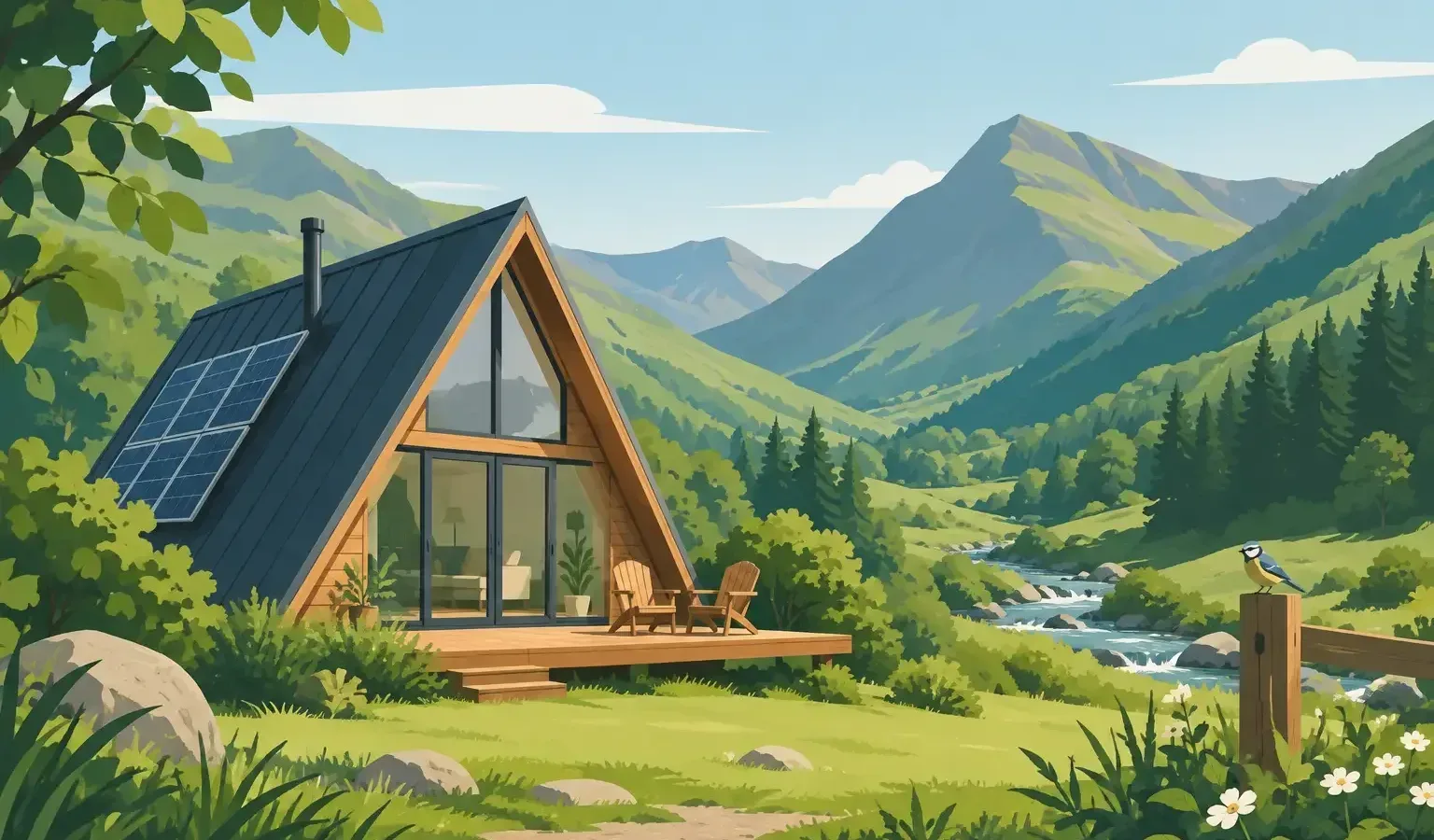
Sustainable Holidays in North Wales, Made Simple
A countryside break should leave you feeling restored, not weighed down by a packed itinerary, excess waste, or miles of unnecessary driving. Sustainable holidays are not about making every moment worthy of a checklist. They are about choosing a slower, more thoughtful way to enjoy North Wales: staying longer in one beautiful place, noticing the wildlife outside your window, and spending well with the people who make the area special.
For a couple, family, or small group, that can be wonderfully simple. A few considered choices before you leave home can reduce the impact of your trip while making it feel more spacious, local, and memorable.
What sustainable holidays really look like
There is no such thing as a zero-impact vacation. Driving to the countryside, heating a lodge, and enjoying a private hot tub all use resources. The more useful question is not whether a trip is perfect, but whether its choices are intentional.
A lower-impact stay often means traveling fewer miles once you arrive, choosing an independent base rather than moving between several hotels, and making the most of the landscape on your doorstep. It also means respecting the places that make North Wales worth visiting in the first place: quiet lanes, working farmland, footpaths, woodland, and the wildlife that lives among them.
Luxury and environmental care do not have to be opposites. A warm, well-designed lodge, good insulation, efficient systems, and the ability to cook your own meals can offer real comfort with less of the waste that sometimes comes with a rushed getaway. At Owl Lodges, the idea is Green Luxury, Naturally: private, peaceful stays shaped by their setting rather than separated from it.
Start with the journey, not just the destination
For many visitors, the biggest part of a short break’s footprint is the journey. North Wales is easy to reach from Chester, Liverpool, Flint, and much of the wider region, which makes it a sensible choice for a restorative escape without a long-haul flight or an all-day drive.
If you are traveling by car, consider sharing the journey with the people you are staying with and arriving ready to settle in. A lodge is a particularly good base for this because you do not need to drive out for every meal or activity. Plan a few nearby walks, a relaxed pub lunch, and one or two days out rather than cramming in attractions across the whole of North Wales.
Public transportation can work for parts of a North Wales trip, especially when paired with a taxi or pre-arranged local transport for the final leg. It depends on your plans, the season, and whether you are bringing young children or a dog. If a car is the practical option, reducing extra journeys once you arrive still makes a meaningful difference.
Before setting off, download directions and maps while you have reliable signal, check the weather, and pack for changeable conditions. Being prepared means fewer last-minute detours and less temptation to buy disposable rain gear or forgotten essentials along the way.
Choose one comfortable base and linger
A sustainable break is often less about doing more and more about staying put long enough to enjoy where you are. Booking a private lodge for several nights gives you time for slow mornings, an afternoon walk from the door, and an evening under the stars without the constant cycle of check-in, check-out, and repacking.
Self-catering also gives you control. Bring ingredients from home, stop at a local farm shop or grocery store, and cook the meals that suit your group. A simple breakfast before a hike, leftovers for lunch, and a relaxed dinner back at the lodge can be every bit as special as eating out each night. It also helps avoid the individual packaging and food waste that can build up on a busy trip.
This does not mean you should skip local cafés, pubs, or restaurants. Quite the opposite. Choosing a memorable local meal or a treat from an independent producer is a lovely way to support the area. The balance is what matters: buy what you will enjoy, ask for a reusable cup where possible, and save restaurant visits for the experiences that feel genuinely part of your stay.
Enjoy the Clwydian Range with care
The Clwydian Range rewards unhurried exploration. Views open gradually, paths lead through woodland and across hillsides, and a short walk can become the highlight of the day when you are not racing a schedule.
Stick to marked routes and public rights of way, especially around farmland. Gates should be left as you find them, dogs should be kept under close control where livestock may be present, and all litter should go home with you if a bin is not available. These small habits protect the landscape, but they also help preserve the calm that visitors come here to find.
Wildlife is best enjoyed at a respectful distance. You may spot birds of prey overhead, hear owls after dusk, or notice smaller creatures in the hedgerows. Resist the urge to approach, feed, or follow them for a photograph. A quiet pause often offers a better encounter than trying to get closer.
Families can make this part of the fun. Give children a simple nature mission: look for different leaf shapes, listen for three bird calls, or notice how the weather changes across the valley. It turns a walk into an adventure without needing plastic toys or a paid attraction every day.
Make the most of what you bring
Thoughtful packing is one of the least glamorous parts of sustainable holidays, but it is surprisingly useful. Refillable water bottles, a small tote bag, reusable food containers, layers, walking shoes, and a waterproof jacket can cover most days out. If you are traveling with children, bring familiar snacks and a few favorite games rather than buying single-use distractions on the road.
For dog owners, pack a lead, towels, a water bowl, and waste bags before you set off. Too-wit Lodge welcomes dogs, and being prepared helps keep the lodge and surrounding countryside comfortable for every guest and animal.
Use water and energy as you would at home. Keep doors and windows closed when heating or air conditioning is running, switch off lights in empty rooms, and avoid leaving devices charging overnight when they do not need to be. These are ordinary actions, but they matter more in a rural setting where every resource has to be thoughtfully managed.
The private hot tub question
A hot tub under a dark North Wales sky is one of those rare holiday pleasures that invites you to slow down completely. It also requires energy and water treatment, so it is fair to acknowledge the trade-off rather than pretend it has none.
The most mindful approach is simply to enjoy it well. Use it as a shared end-of-day ritual instead of treating it as something that must run constantly, follow the lodge guidance on safe use, and keep lotions, drinks, and unnecessary products away from the water. Choosing a well-maintained private tub and using it responsibly is more realistic than expecting a countryside break to look like camping.
Sustainability should make a stay feel better, not smaller. A soak after a hill walk, a home-cooked supper, and a quiet evening listening for owls can be a far richer kind of luxury than a schedule full of consumption.
Spend locally, thoughtfully
Where you spend money helps shape the places you visit. Independent farm shops, village pubs, local makers, and nearby attractions all play a part in keeping rural communities vibrant beyond the busy summer months. Choosing local does not require buying souvenirs you do not need. It can be as simple as picking up ingredients for dinner, ordering from a family-run café, or booking an activity that is rooted in the area.
Try to favor quality over quantity. One locally made gift with a story behind it is more meaningful than a bag of novelty items. The same goes for food: choose enough for the stay, enjoy it fully, and take unopened items home with you.
When your break comes to an end, leave the lodge as you found it, sort waste as instructed, and take a moment to look back at the valley before the journey home. The best sustainable holidays do not ask you to sacrifice comfort. They invite you to notice that comfort can come from having less to rush toward, and more of the natural world close by.