
Wildlife Watching Stays in North Wales for All
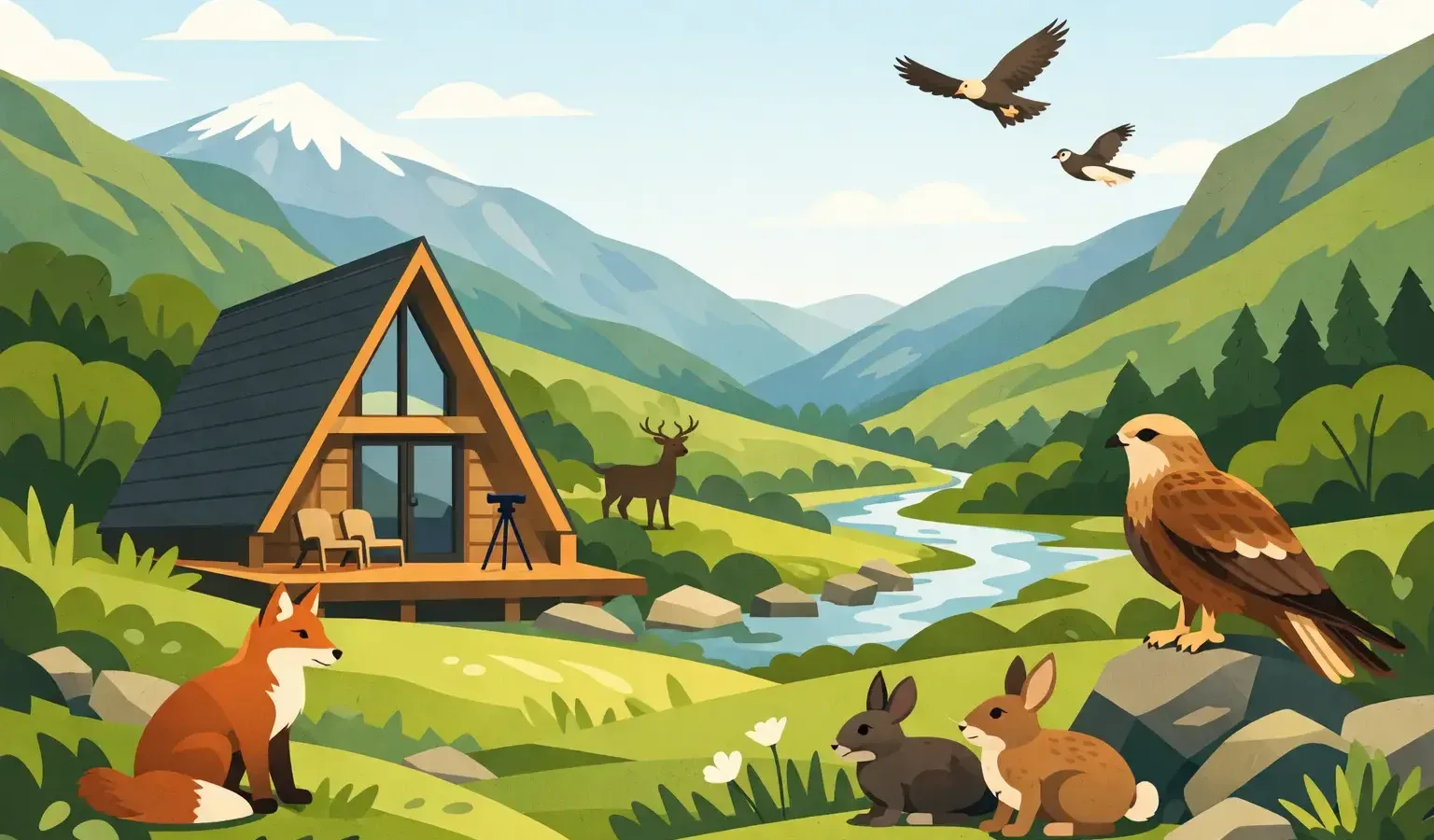
The first sound you may notice is not traffic, but birdsong carrying across the valley. Then there is the rustle in the hedgerow, a rabbit at the edge of a field, or the pale shape of an owl crossing the dusk. Wildlife watching stays in North Wales offer a gentler kind of adventure: one where the best sightings often happen between breakfast and a soak in the hot tub.
For couples, families, and friends, the Clwydian Range is particularly rewarding. It feels wonderfully rural, yet it is easy to reach from Chester, Liverpool, Flint, and beyond. You can spend a day walking open hillsides or exploring the coast, then return to your own warm, private space as evening settles over the landscape.
Why North Wales is made for wildlife watching
North Wales holds an extraordinary variety of habitats within a relatively compact area. Woodlands, farmland, rivers, heath, limestone cliffs, mountain slopes, and shoreline each support different species. That means a long weekend can bring a real sense of discovery without turning your break into a rushed wildlife checklist.
The Clwydian Range, near Nannerch and Mold, is a lovely base for slower observation. Its patchwork of fields and woodland edges creates shelter and food for small mammals and birds, while the higher ground opens up broad views and changing weather. Sightings are never guaranteed, of course. That is part of the pleasure. Wildlife is not a performance, and a quiet morning with a mug of coffee can be as memorable as a rare encounter.
The best stays also make it easy to enjoy the landscape on your own terms. A private lodge gives you somewhere to pause, warm up, prepare an unhurried meal, and sit outside without feeling that the day has ended when you leave a trail.
Wildlife to look for through the seasons
Every season has a different rhythm in North Wales. Spring brings more birdsong, fresh green cover, and busy hedgerows. Look and listen for blackbirds, robins, blue tits, wrens, and woodpeckers, especially around woodland margins. Early mornings are often the most active, though family groups may prefer the more forgiving timing of late afternoon.
Summer is ideal for butterfly watching, with warm, still patches beside wildflowers and sunny paths offering the best chance of a sighting. Swallows and house martins sweep overhead, while dragonflies may appear near ponds and wet ground. On clear evenings, keep an eye on the sky as daylight fades. Bats can be seen flickering above fields and tree lines, and this is also when the resident owls are most likely to make their presence known.
Autumn brings a wonderful hush to the woods. Fallen leaves make it easier to spot movement, and squirrels become more visible as they gather food. Deer can be elusive, but a patient walk at dawn or near sunset may be rewarded. This is a time for layers, waterproof boots, and taking your time rather than chasing a single sighting.
Winter can be unexpectedly beautiful for wildlife watching. Bare branches offer clearer views of birds, and frosty mornings turn even a short local walk into something special. Bring binoculars if you have them, but do not worry if you do not. Many of the most satisfying moments happen close by: a flock landing in a field, a bird of prey circling overhead, or tracks pressed into soft ground after rain.
A kinder way to watch wildlife
The most memorable encounters come from being calm and considerate. Keep voices low, move slowly, and give animals plenty of space. If an animal changes direction, becomes alarmed, or repeatedly watches you, it is time to step back.
Dogs deserve a little extra thought around livestock, nesting birds, and wildlife-rich paths. A lead is often the right choice, even when a route appears quiet. Too-wit Lodge welcomes dogs, making it easier to bring the whole family along, but respectful walking helps protect both local animals and the countryside that makes these breaks so special.
Avoid feeding wild animals, however tempting it may be. Human food can cause harm, and feeding can alter natural behavior. Instead, let the landscape do what it does best. Sit still for ten minutes beside a hedge or at the edge of a woodland path, and you may notice far more than you would on a hurried walk.
Build your days around the light
A wildlife-focused break does not need a packed itinerary. In fact, leaving room for stillness is often the point. Start with an early breakfast, then take a short walk while the morning is quiet. Return for a relaxed lunch and a few hours of reading, exploring nearby villages, or simply enjoying the view from the lodge.
Later, head out again as the light softens. This is a beautiful time for photographs, though the best camera is often the one you can keep steady and use without fuss. A phone is perfectly enough for landscape moments and distant birds, while binoculars will usually add more to the experience than complicated camera equipment.
After dark, North Wales offers another reason to look up. Away from city glare, clear nights can reveal a remarkable number of stars. The view from a private hot tub has its own kind of magic: warm water, cool air, and the possibility of hearing an owl in the distance. Keep outdoor lighting low where possible, both for your own night vision and for the animals moving through the countryside.
Choose a stay that lets nature come to you
For a short break, location matters, but so does how your accommodation feels at the beginning and end of each day. Wildlife watching can involve muddy boots, sudden showers, and early starts. A comfortable base turns those practicalities into part of the pleasure.
At Owl Lodges, the two hand-crafted A-frame lodges are designed for that balance of outdoor escape and easy comfort. Each sleeps up to four guests and offers privacy, scenic surroundings, air conditioning, and its own hot tub. Thoughtful touches, from local artwork to hand-carved woodland creatures, make the experience feel connected to the place rather than simply placed in it.
The choice between the lodges is simple. Too-wit Lodge is the natural option for guests traveling with a dog. Too-woo Lodge has an enclosed setup that gives families with young children more room to relax and supervise play. Both offer the kind of space that makes a rainy afternoon feel cozy rather than restrictive.
Direct booking also gives you the advantage of a personal welcome and a complimentary welcome pack, ready for when you arrive. It is a small detail, but after a drive and a first walk in the fresh air, it sets the right tone: no rushing, no crowds, and no need to go anywhere unless you want to.
A simple packing plan for better sightings
You do not need specialist gear, but a few practical items will make time outdoors more comfortable. Bring waterproof walking shoes, a light rain jacket, and layers you can add or remove as the hills change temperature. Binoculars are useful, particularly for birds and distant views, while a small field guide or identification app can settle those friendly debates over what you have just seen.
For children, turn the walk into a gentle nature search rather than a quest to find a particular animal. Ask them to notice feathers, different leaf shapes, animal tracks, or the number of bird calls they can hear. That approach keeps the experience fun even on a day when wildlife is keeping itself hidden.
If you are visiting in summer, include sunscreen and insect repellent. In colder months, a thermos can transform a pause on a hillside. Most of all, pack patience. The countryside rewards people who are willing to stop looking for a moment and simply be there.
North Wales does not ask you to fill every hour. Settle into the quiet, watch the hedgerows at dusk, and leave enough space in the day for a wild visitor to surprise you.